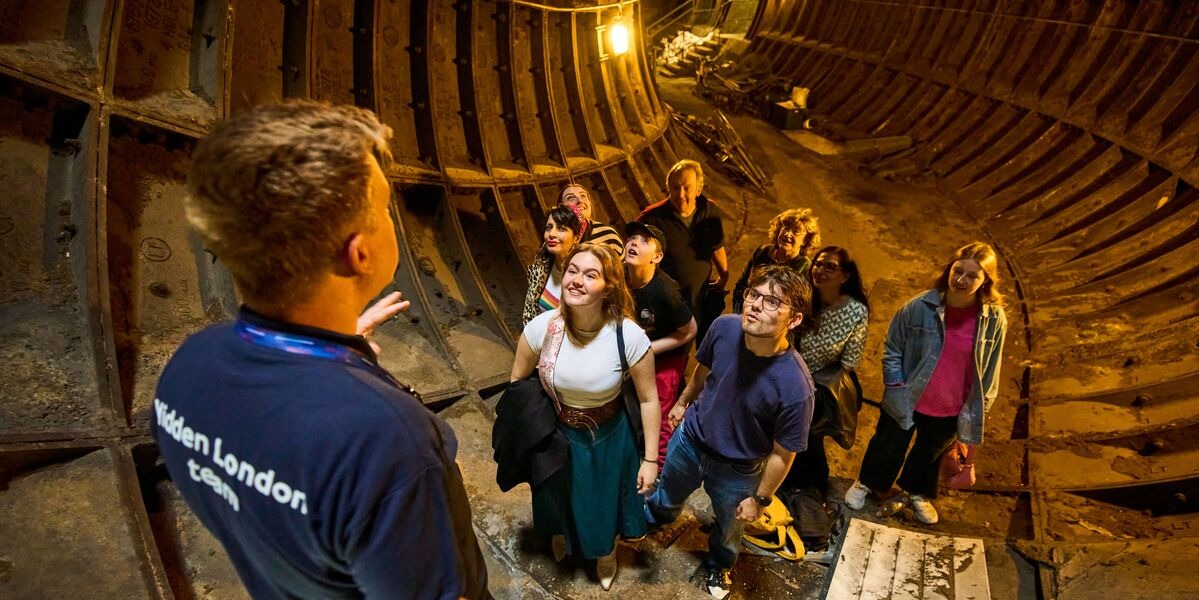
 Image Credit: Transport For London.
London's tube network is one of the oldest in the world, and with age, most definitely comes secrets. Beneath the streets, there are over 40 abandoned London underground stations that were closed, bypassed or actually never finished, and left to gather dust while millions of commuters unknowingly pass them every day. Whether you're a history buff, a curious Londoner, or you've just fallen down a Wikipedia rabbit hole at 2 am, we think this is everything you need to know about abandoned London Underground stations, including how to actually visit some of them.
Abandoned London Underground Stations Not Accessible to the Public
- British Museum – Located on the Central London Railway between Holborn and Tottenham Court Road, British Museum station closed in 1933 when Holborn was expanded. The entrance on High Holborn is long gone, though the tunnels remain beneath the street, and the station has inspired no shortage of ghost stories involving an Ancient Egyptian priestess ever since.
- Bull & Bush (North End) – Planned as part of the Northern line between Hampstead and Golders Green, this station was abandoned before it ever opened. Only partial tunnel work was completed before protests from local residents, and the proximity to Hampstead Heath conservation land put an end to the whole thing in 1906. The tunnels later found use as a flood gate control centre.
- Brompton Road – A Piccadilly line station between Knightsbridge and South Kensington, Brompton Road closed in 1934 after consistently low passenger numbers made it unviable. During the Second World War, its tunnels served as a military command centre, and it has since passed into private hands.
- City Road – This Northern line station between Angel and Old Street closed in 1922, just 19 years after it opened. Its surface building still stands on City Road, converted into a private residence, which is pretty easy to miss if you don't know what you're looking for.
- King William Street – One of London's very earliest tube stations and a genuine piece of Underground history, King William Street was the original terminus of the City & South London Railway. It closed in 1900 when the line was extended, just a decade after opening. The sealed tunnels still sit beneath the City of London.
- Lords – Built on the Metropolitan Railway to serve the cricket ground, Lords station closed in 1939 at the outbreak of the Second World War and never reopened. Along with its near neighbours, Marlborough Road and Swiss Cottage (Met), it was made redundant when services were rerouted via the new deep-level tunnels.
- Marlborough Road – A Metropolitan Railway station that had been running since 1868, Marlborough Road closed in 1939 when it was superseded by the new St John's Wood station nearby. Located at the corner of Queen's Grove and Finchley Road, the old booking hall is today a substation that helps power Metropolitan line trains, which still rumble underneath.
- South Kentish Town – A Northern line station between Kentish Town and Camden Town that closed in 1924 after just 17 years, due to persistently low passenger numbers. The surface building on Kentish Town Road became a bookshop over the years before being converted to other uses.
- Swiss Cottage (Metropolitan) – Not to be confused with the Jubilee line station still in use today, this Metropolitan Railway station closed in 1940 when the newer St John's Wood deep-level station made it redundant, along with Lords and Marlborough Road on the same stretch of line.
- York Road – A Piccadilly line station between Caledonian Road and King's Cross St. Pancras that closed in 1932. The distinctive maroon-tiled surface building on York Road – designed by Leslie Green, the architect behind many of the early tube stations – is still visible today, complete with original lettering on the façade.
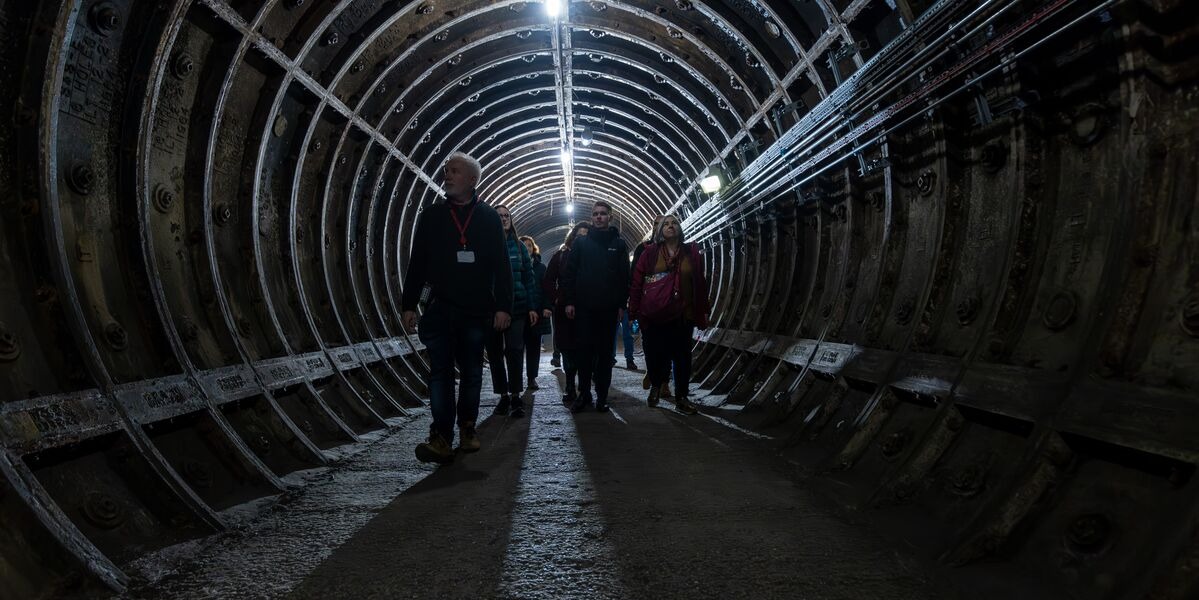
Image Credit: Transport For London.
Abandoned London Underground Stations You Can Visit
- Aldwych – Perhaps the most famous ghost station of them all, Aldwych closed to passengers in 1994 after nearly 90 years as a low-traffic spur off the Piccadilly line. Its platforms, ticket hall and original wooden lifts are all perfectly preserved, which is precisely why it's become one of the most popular filming locations in London (you may recognise it from Sherlock, 28 Weeks Later and Atonement). The London Transport Museum runs regular guided tours here as part of Hidden London – it's one of their most in-demand tickets.
- Down Street – Tucked between Hyde Park Corner and Green Park on the Piccadilly line, Down Street closed in 1932 after just 28 years of operation. During the Second World War, it was transformed into the secret headquarters of the Railway Executive Committee – and Winston Churchill himself used it as a refuge during the Blitz. The Hidden London tour here is one of the programme's most popular; the declassified wartime stories are genuinely extraordinary.
- Charing Cross (disused Jubilee line platforms) – When the Jubilee line extension opened in 1999, the original Jubilee line platforms at Charing Cross were decommissioned and sealed off. They've since been used as filming locations for Skyfall, Thor: The Dark World and Killing Eve, and now feature on a Hidden London tour that also takes in the station's extensive wartime tunnels.
- Baker Street – As one of the world's very first underground stations (it opened in 1863), Baker Street has accumulated layers of history across its 160-year life. Hidden London tours here take in original platforms, disused lift shafts and corridors that haven't been accessible to the public since 1945 – an extraordinary glimpse into the very beginnings of the Tube.
- Holborn (disused Aldwych branch platforms) – Holborn station still operates today, but behind concealed doors lie two disused platforms from the old Aldwych branch that have been closed to the public for nearly 30 years. Hidden London's tour here also passes through spaces used as wartime shelters and scientific labs, plus filming locations for Superman and Aqua's Turn Back Time video (yes, really).
- Euston – The Hidden London tour at Euston takes you through some of the oldest tunnels on the network, uncovering a labyrinth of passageways and spaces that have been closed off through successive station redesigns across more than 160 years of history.
- Piccadilly Circus – One for fans of 1920s glamour, the Piccadilly Circus tour slips you behind closed doors into abandoned passageways, original Edwardian design features and wartime shelters, all hidden inside one of the busiest stations on the entire network.
- Dover Street (now Green Park) – The Hidden London tour at Dover Street, now better known as Green Park station, uncovers the ghost of the original station beneath, complete with vintage signage and tiles not seen by the public since the 1930s.
- Moorgate – The Hidden London tour at Moorgate takes in a maze of tunnels that have been built upon, rerouted and extended over 150 years, including a vast tunnelling shield that was left in place after the station's construction.
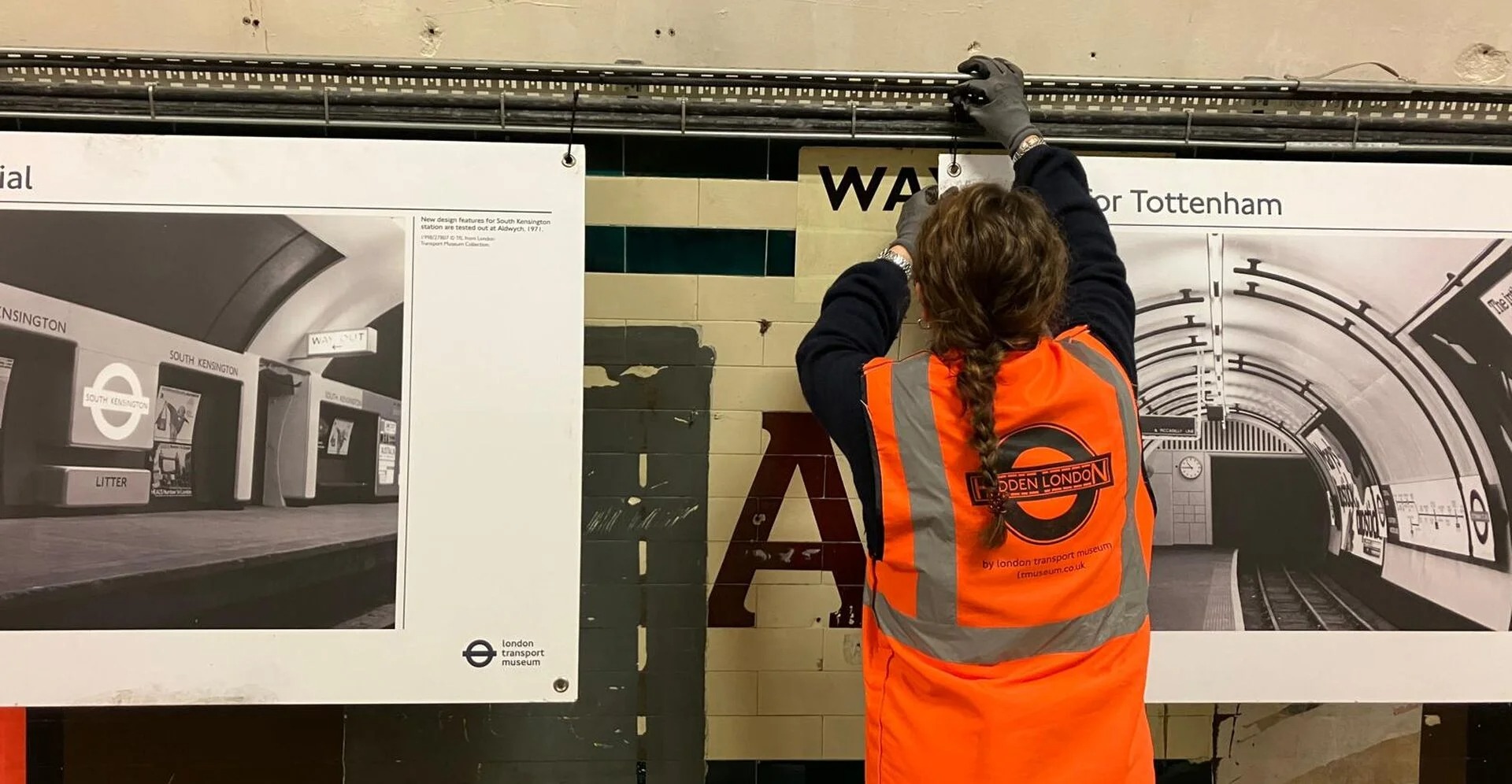
Image Credit: Transport For London.
Abandoned London Underground Station Tours
- Hidden London by the London Transport Museum – The London Transport Museum's Hidden London programme runs regular guided tours of disused and restricted stations including Aldwych, Down Street, Charing Cross, Baker Street, Holborn, Euston, Piccadilly Circus, Dover Street and Moorgate. Tours are led by expert guides and sell out extremely fast, booking as early as possible is essential.
- Mail Rail at the Postal Museum – Technically not a tube station, but equally unmissable: the Post Office's underground railway, which transported mail beneath the streets of London from 1927 until it was decommissioned in 2003, is now open as a visitor attraction. You can ride through the original tunnels beneath Mount Pleasant in a restored mail carriage, one of the most unique subterranean experiences in the city. I've experienced this myself, and it's a must-try whether you've lived in London your whole life, or you're just visiting.
Bars & Restaurants That Bring The Tube Aesthetic Above Ground
- Cahoots, Soho – Styled as a 1940s abandoned tube station, Cahoots in Soho is one of London's bestthemed bars. Think curved tunnel ceilings, repurposed carriages, vintage wartime signage and era-appropriate cocktails; it's the closest most of us will get to drinking on a ghost platform without a Hidden London ticket. Found tucked down into Kingly Court off Carnaby Street.
- SupperClub.tube, Walthamstow – Set inside converted London Underground carriages at a depot in Walthamstow, SupperClub.tube offers a dining experience unlike anything else in London. You eat inside restored tube cars, surrounded by original fittings and panelling, part supper club, part time capsule, and very much worth the trek to E17.
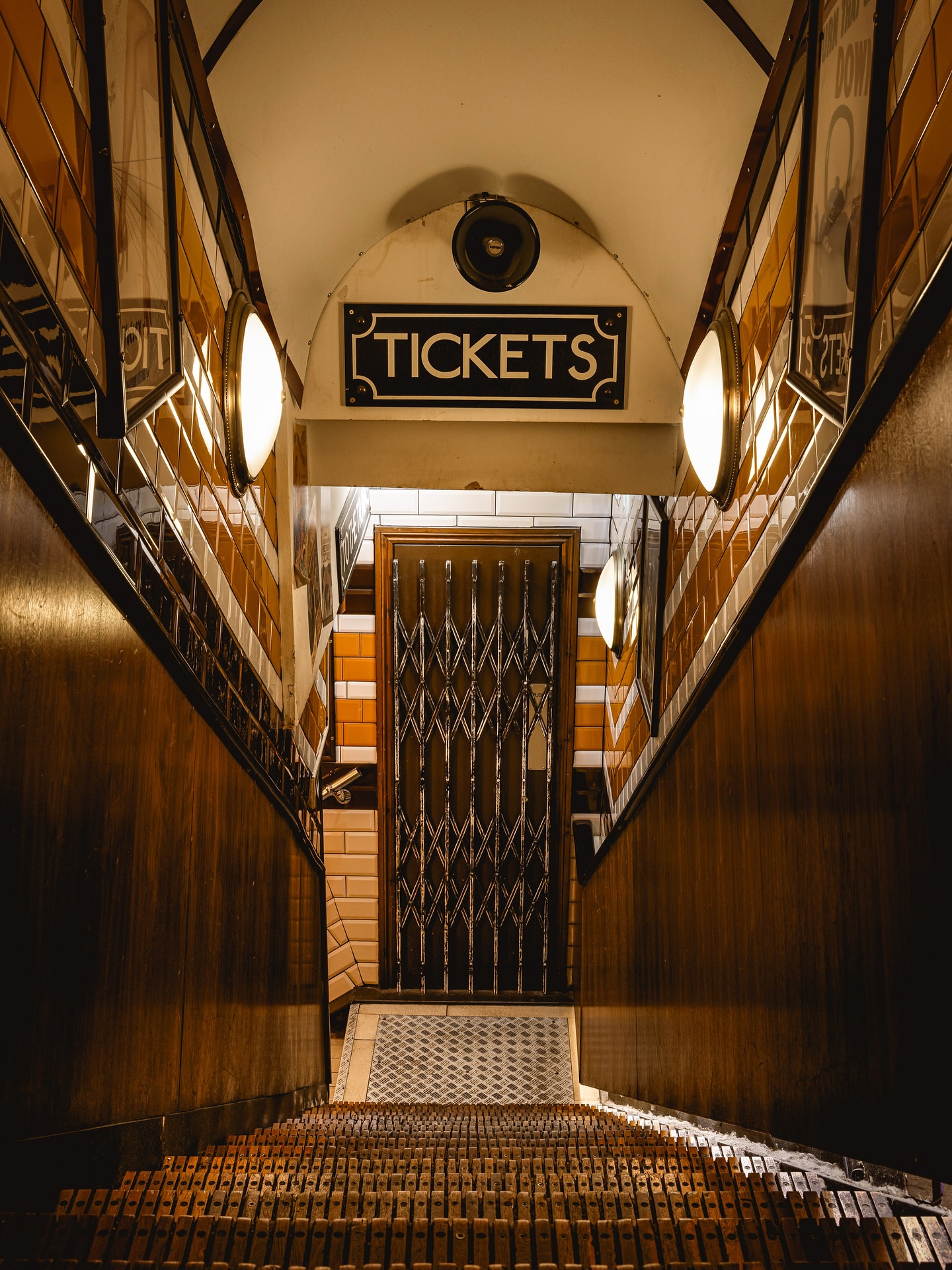
Image Credit: Cahoots.
FAQs
How can I visit abandoned tube stations in London?
The best way is through the London Transport Museum's Hidden London programme, which runs regularly ticketed guided tours of ghost stations including Aldwych, Down Street and Charing Cross. Tours must be booked in advance at ltmuseum.co.uk/hidden-london and sell out very quickly. For a different take on London's subterranean history, the Mail Rail ride at the Postal Museum also takes you through original disused tunnels beneath the city.
Can you see ghost stations from the tube?
Yes, if you know where to look. Travelling on the Piccadilly line between Green Park and Hyde Park Corner, keep your eyes on the right-hand side of the train for the bricked-up platforms of Down Street. On the Northern line between Angel and Old Street, you'll pass through the tunnels of the old City Road station. It's a great free alternative to a tour.
Are there any abandoned tube stations in central London?
Down Street is a short walk from Hyde Park Corner, Aldwych is in the heart of the West End near Covent Garden, and the disused Jubilee line platforms at Charing Cross are right under Trafalgar Square.
Looking for more London underground adventures? Check out our guides to unique London experiences.


