London has been continuously inhabited for over 2,000 years and the evidence is everywhere — think Roman walls hidden beneath office blocks, medieval churches wedged between towers, Tudor gateposts that predate the United States of America. Here's a guide to the most compelling historical places to visit in London — from the famous to the gloriously obscure.
Iconic Historical Sites
The Tower of London
Built by William the Conqueror in 1078, the Tower of London has served as a royal palace, a prison, an execution site and the home of the Crown Jewels. It's one of the most visited attractions in Europe and one of the few places in London where two millennia of history are compressed into a single site. Hot tip: The Yeoman Warder tours are brilliant, make sure to book your tickets in advance.
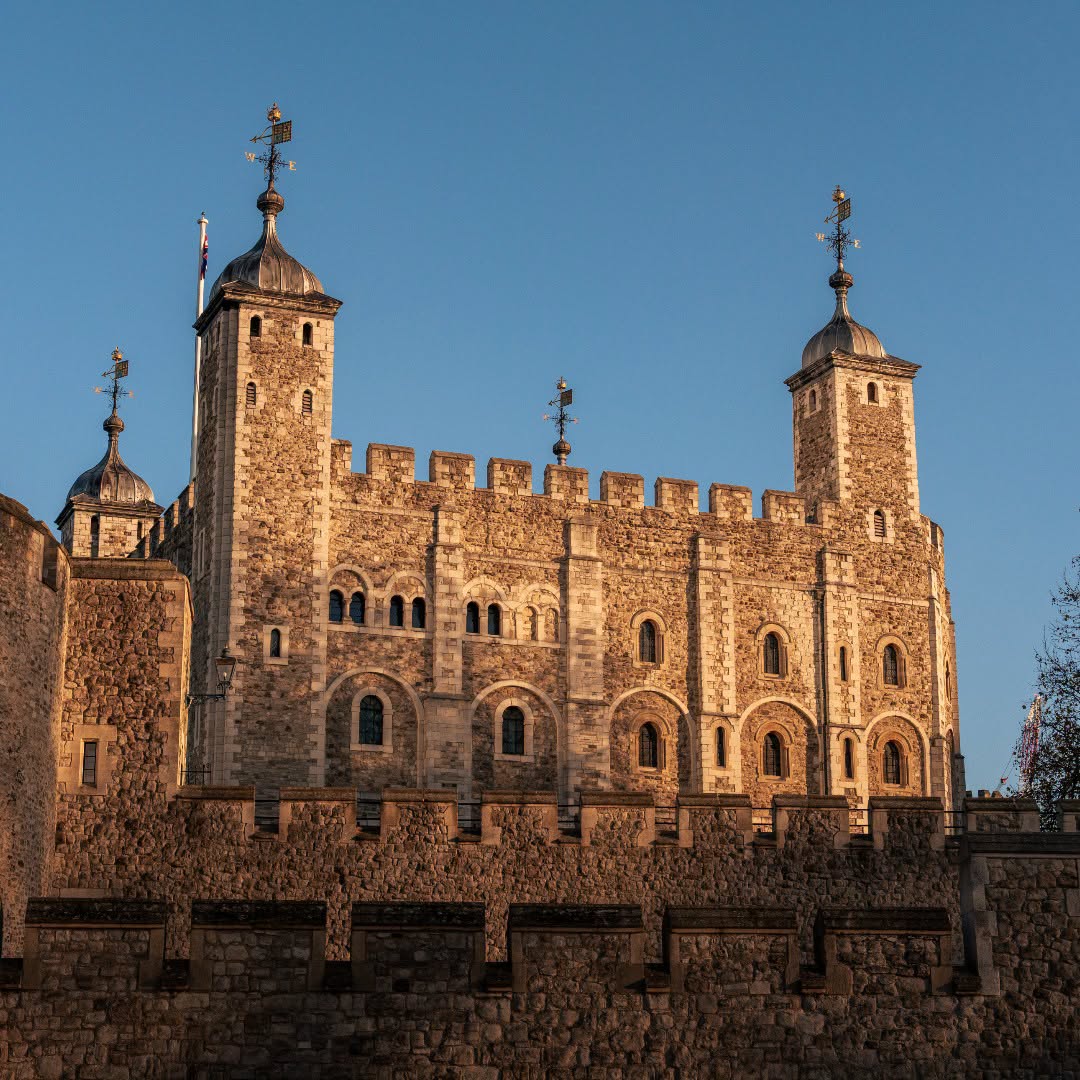
One of the most famous historical sights in London.
Westminster Abbey
The coronation church of English and British monarchs since 1066, Westminster Abbey is where 17 monarchs are buried, where Poets' Corner houses the memorials of Chaucer, Shakespeare, Dickens and Darwin, and where some of the greatest moments in British history have played out. The Gothic architecture alone is worth the admission.
St Paul's Cathedral
St Paul's Cathedral is Sir Christopher Wren's masterpiece, completed in 1710 after the original was destroyed in the Great Fire of London. Climb to the Whispering Gallery for the famous acoustic trick, continue to the Golden Gallery for one of the best views in London, and visit the crypt where Wren himself is buried alongside Wellington and Nelson.
Hidden And Underrated Historical Gems
Roman Wall Walk — Barbican to Tower Hill
Running through the City of London, the remains of the original Roman city wall (built around AD 200) can be followed in fragments from the Barbican to Tower Hill. It's free, always accessible, and wildly underappreciated.
Temple Church — City of London
Built by the Knights Templar in 1185 and familiar to Da Vinci Code readers, Temple Church is a round Norman church embedded in the legal quarter of the City. The marble effigies of medieval knights on the floor are extraordinary. It's free to enter on certain days; check their website for updated dates.
The Charterhouse — Barbican
Founded in 1371 as a Carthusian monastery, converted to a school (Charterhouse School was based here until 1872) and now a working almshouse and museum. Tours of the Tudor Great Hall, chapel and medieval cloisters run regularly. One of London's best-kept historical secrets.
Eltham Palace — Greenwich
A medieval royal palace fused with a spectacular Art Deco house. The Great Hall dates to 1479; the Art Deco interior was created in the 1930s. The contrast is extraordinary. English Heritage managed; booking recommended.
Dennis Severs' House — Spitalfields
Not a museum in the conventional sense — Dennis Severs' House is an atmospheric recreation of a Huguenot silk weaver's home from the 17th century to the early 20th, presented as if the family has just stepped out. Candlelit evening tours are one of the most singular experiences in London. Book well in advance.
The Leadenhall Market — City of London
London's most beautiful covered market dates to the 14th century, though the current Victorian iron and glass structure was designed by Horace Jones in 1881. Today it houses restaurants, bars and shops — but the architecture alone justifies a detour. It also doubled as Diagon Alley in the Harry Potter films.
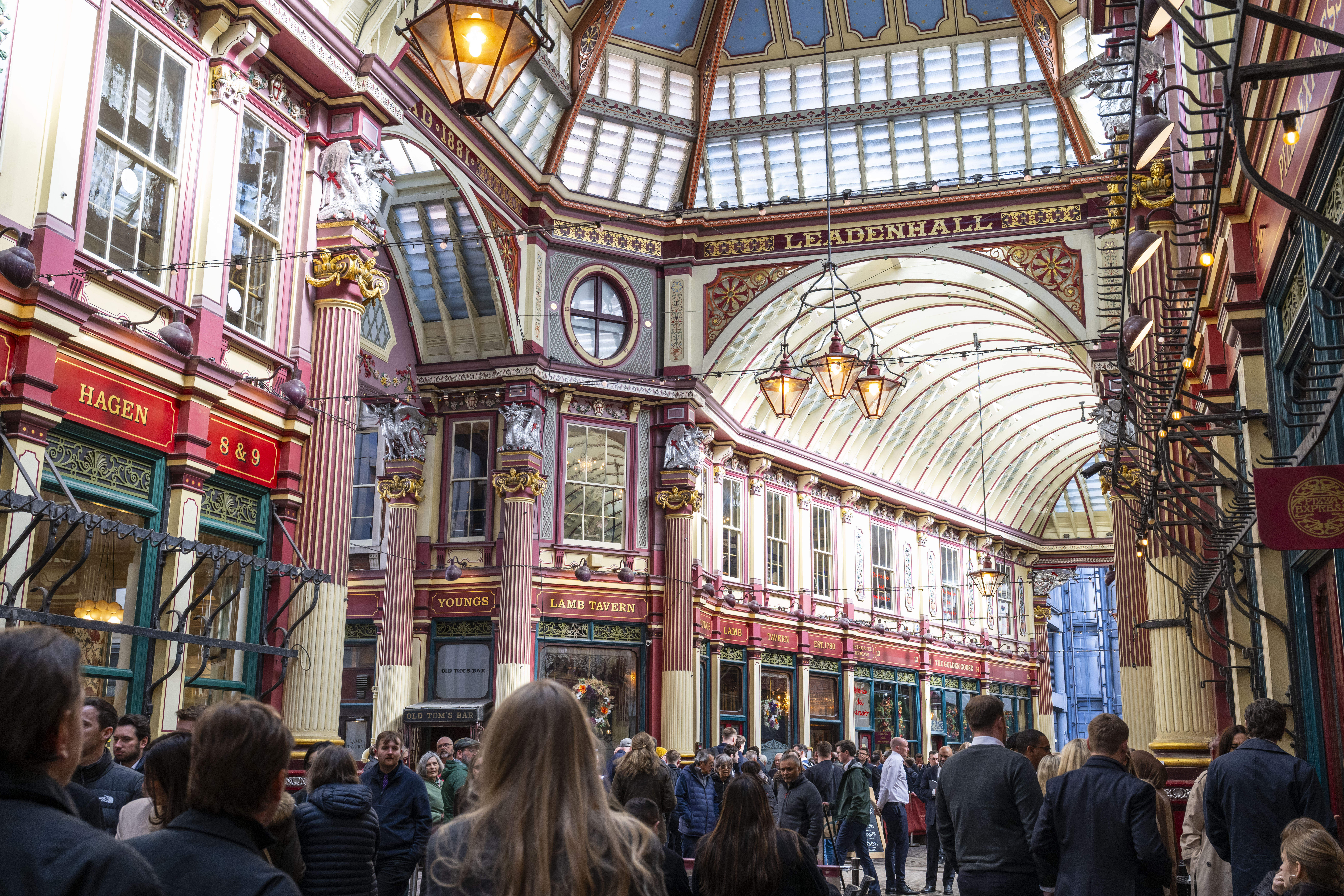
You'll find shops, restaurants, and incredible architecture at Leadenhall Market in the City.
Walking Routes
London's historical sites are best explored on foot. The best historical walks include the South Bank from Westminster Bridge to London Bridge (crossing 2,000 years of history), the Roman Wall Walk through the City, and the East End walking tour from Aldgate to Spitalfields, which traces waves of immigration from the Huguenots to the Bangladeshi community.
FAQs
What is the oldest building in London?
The White Tower in the Tower of London (1078) is one of the oldest intact buildings. Fragments of the Roman Wall date to around AD 200, though not structurally intact.
Are historical sites in London free?
Many are. The Roman Wall, Temple Church, Leadenhall Market and many City of London churches are free. The Tower, Westminster Abbey and St Paul's charge admission — they're worth it.


